

Featured Courses

Behavior Management & De-Escalation Techniques
Register Today!
This 2-hour course is designed for caregivers and staff who want to prevent and respond to challenging behaviors with confidence and compassion.
Behavioral Documentation Best Practices
Register Today!
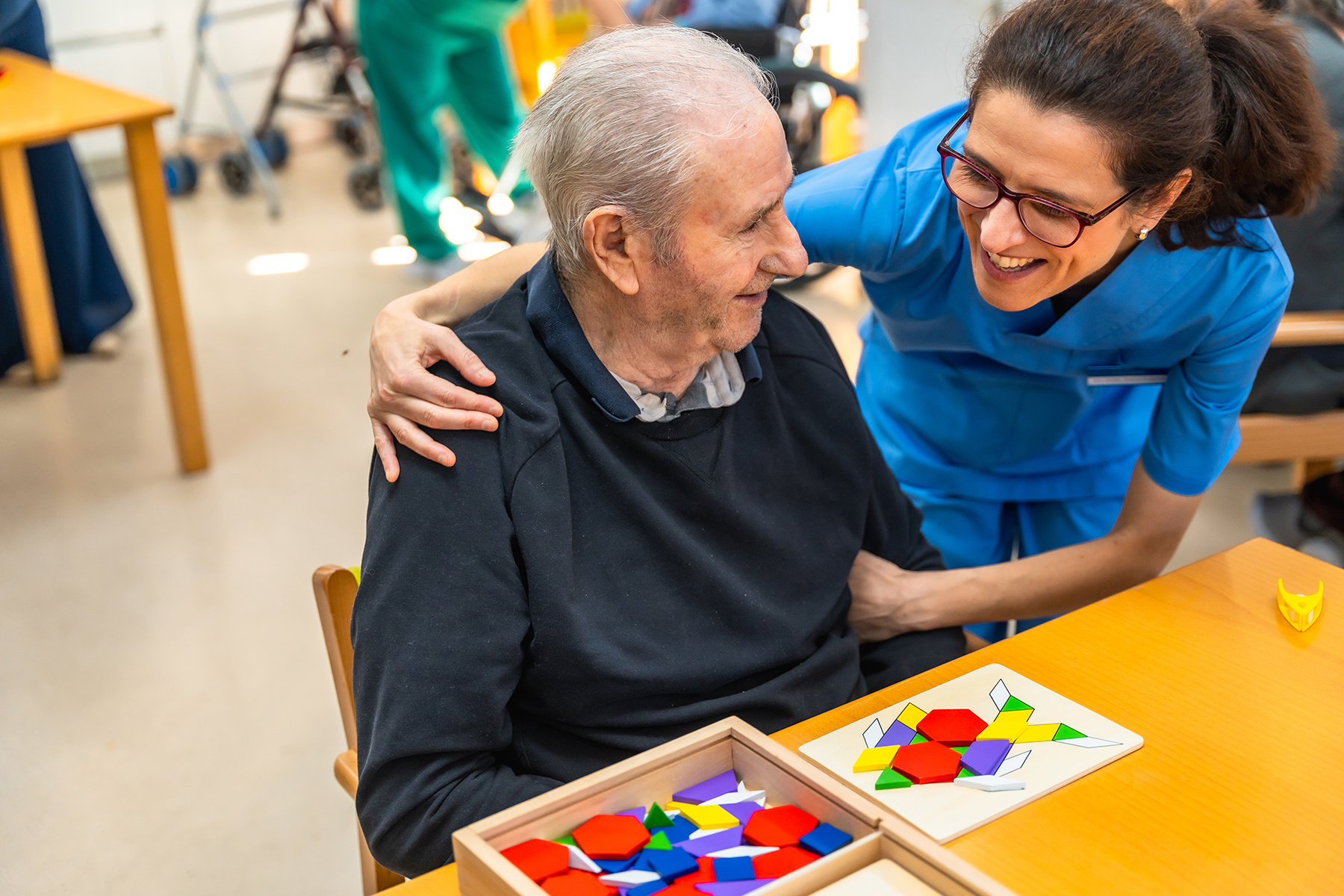
Provide safer, clearer, and more person-centered care—every shift. In just 2-hours, this practical micro course builds the core documentation skills every memory care professional needs to support resident safety, strengthen team communication, and guide effective care planning.

Burnout & Self-Care for Caregivers (NM)
Coming Soon!
This course helps caregivers recognize the early signs of burnout, understand how ongoing stress can affect personal well-being and work performance, and develop practical strategies for managing stress.

Mental Illness & Serious Mental Illness
Register Today!
This 2-hour course is designed for caregivers and staff who want to better understand and support residents living with mental illness, serious mental illness (SMI), and cognitive disorders.
Substance Use & Abuse
Register Today!
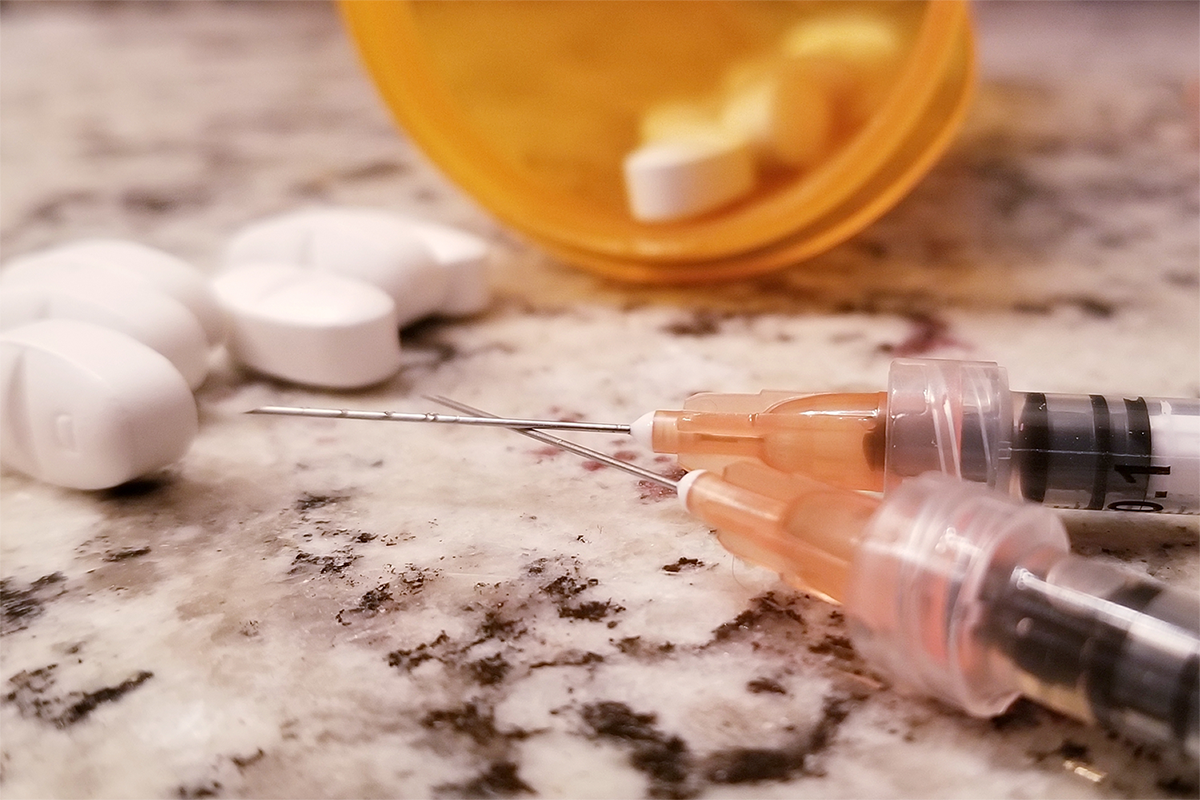
Recognize risk sooner. Respond with confidence. Support safer care—every day. In just 2 hours, this practical micro course equips care professionals with the essential knowledge to recognize substance use concerns, distinguish appropriate medication use from potential misuse, and take appropriate next steps within their role. Through concise lessons and realistic care scenarios, learners will build confidence applying DSM-5-TR concepts, identifying behavioral patterns, and communicating observations effectively to the care team—supporting resident safety, dignity, and coordinated care.

Trauma-Informed Care
Register Today!
Support safer, more compassionate care in just 2-hours. This focused micro course gives long-term care professionals the essential skills to understand trauma, recognize its impact, respond with regulation strategies, and prevent re-traumatization during daily care and care transitions.
Traumatic Brain Injury (TBI) Care
Register Today!
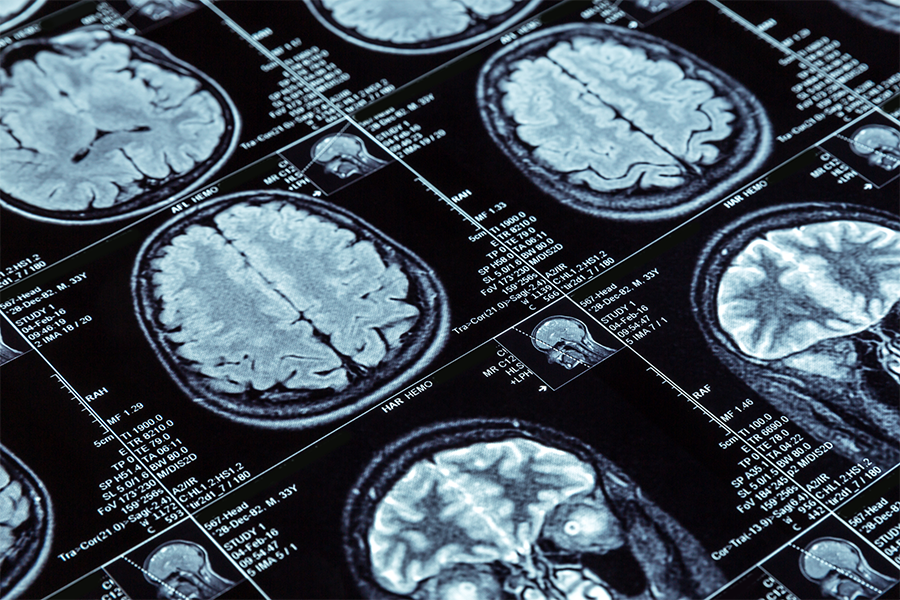
Notice the signs. Understand the behavior. Respond with confidence. In just 2 hours, this practical micro course equips care professionals with the essential skills to recognize traumatic brain injury (TBI), understand how it affects behavior and communication, and respond safely and effectively. Through concise lessons and realistic, scenario-based practice, learners build confidence identifying TBI risks, interpreting behavior as communication, applying the ABC model, and using prevention and de-escalation strategies that support safety, dignity, and person-centered care.